Two-year old Safina makes it through risky neurosurgery | UPDATE
Published 3:40 pm Tuesday, August 12, 2025
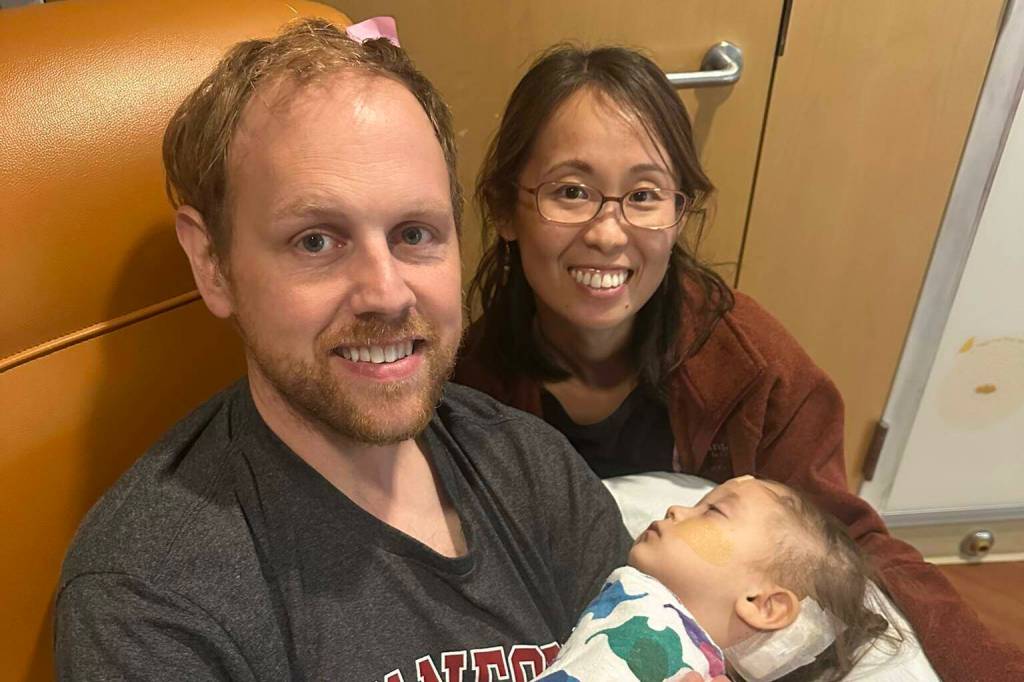
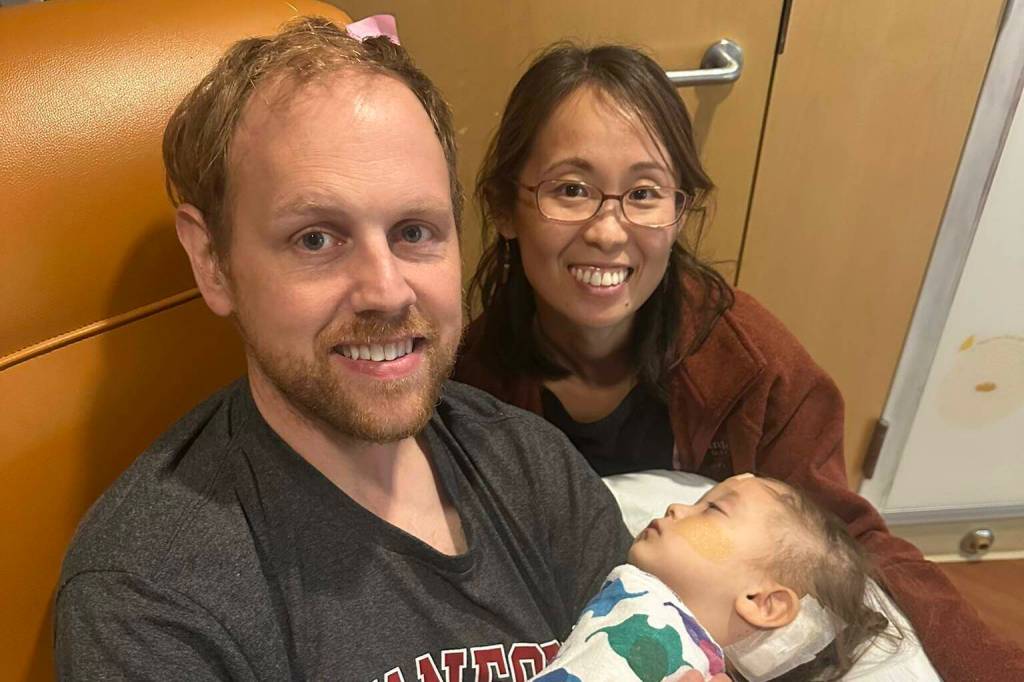
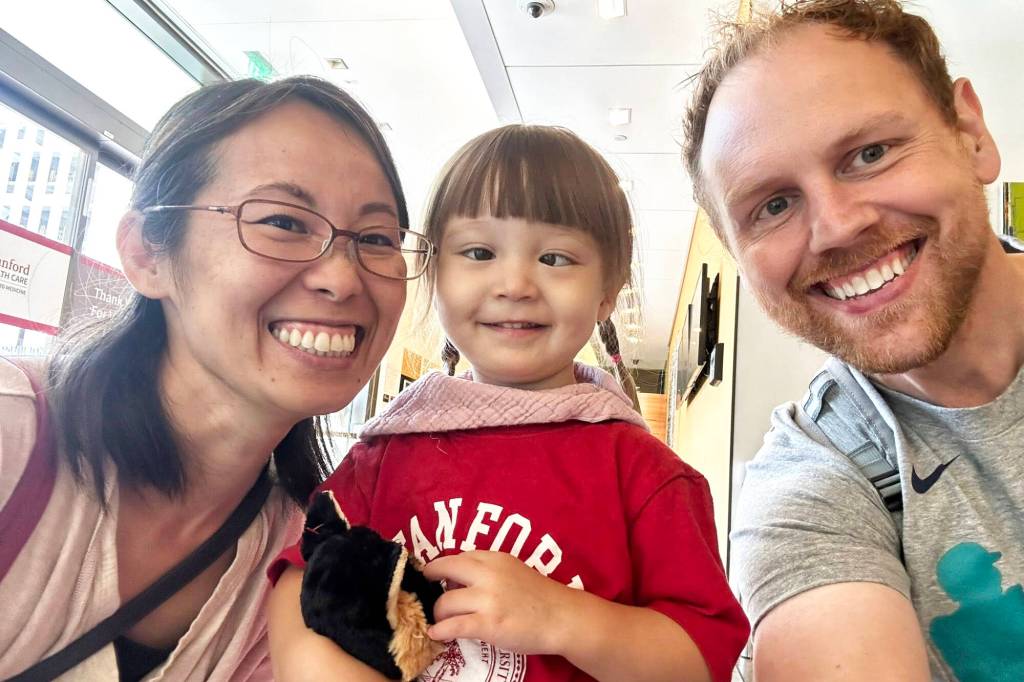
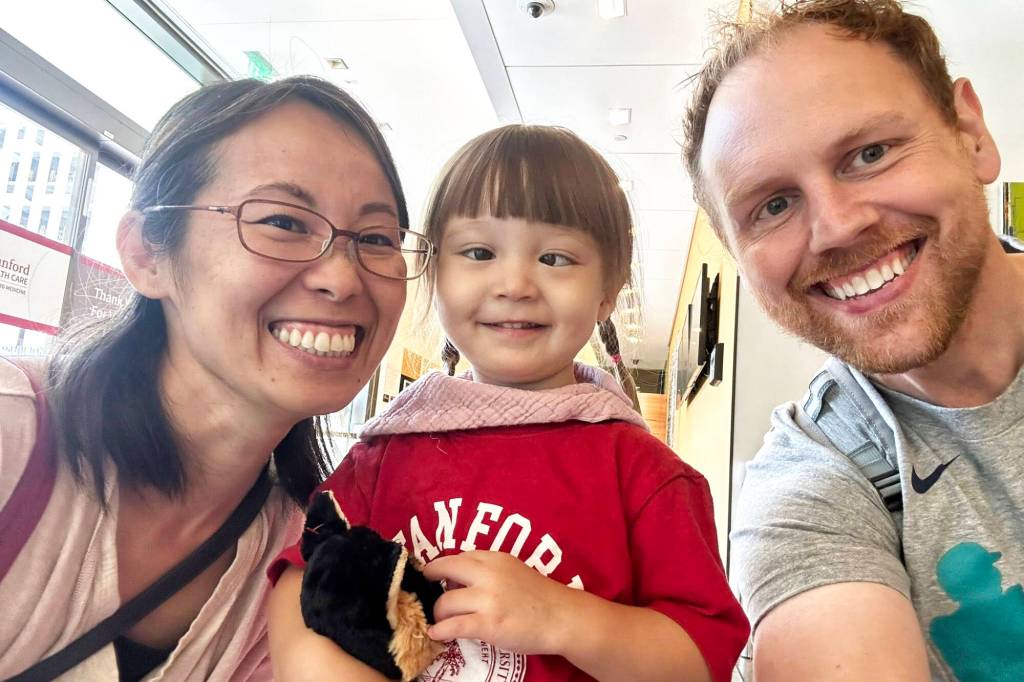
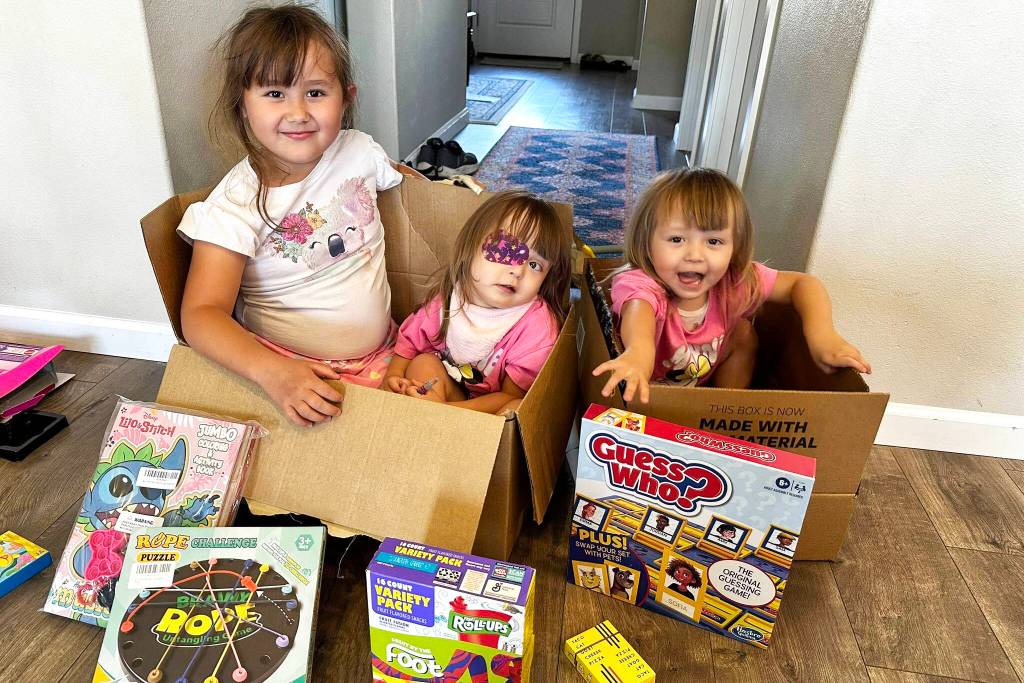

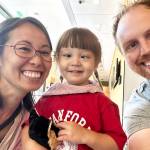
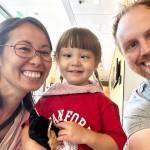
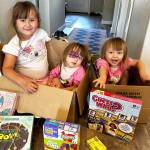
There wasn’t a big event — Safina Tulluck’s mother just noticed she was acting odd while at the playground last June.
The two-year-old from Enumclaw was losing her balance, Aya was texting her father, Derek; she wasn’t using her right side; her right eye looked different.
A few hours later, Seattle Children’s Hospital confirmed their “worst nightmare,” Derek said — Safina had a hemorrhagic stroke, and without an expensive, risky neurosurgery, she’d likely die.
The surgery was Aug. 14, and it appears to have been a success, though Safina still has a long road to recovery.
When Safina was born with her twin sister, she was diagnosed with “cerebrofacial venous metameric syndrome.”
To say this genetic disease that causes malformations in the network of blood vessels around the brain, face, and eye is rare is putting it mildly; Orphanet, a peer-reviewed database of rare diseases, says fewer than 100 cases have been reported in scientific literature.
The Tullucks kept a close eye on their daughter and made sure she got regular medical checkups.
Their vigilance paid off last April, when an MRI discovered a “cavernous malformation” — a of cluster irregularly-formed blood vessels — in Safina’s brain stem.
The malformations are prone to bleeding and cause ongoing brain issues, experts say.
And in rare cases, they lead to stroke or death.
Derek said Seattle Children’s Hospital’s staff was “amazing” for how they treated Safina and kept him and Aya in the loop about treatment and surgery options.
Safina was prescribed a medication that her doctors said was a “long shot” in managing Safina’s condition, according to Derek.
“We’re not really sure if it’s going to work or not,” he continued. “That was really discouraging, to hear that.”
And not only that, it’s expensive — tens of thousands of dollars per month expensive.
The family’s insurance initially denied the claim to cover the costs of the medicine (Vijoice (alpelisib)). On appeal, it approved the meds, but only for six months.
“We’re feeling hopeful they will renew,” Derek said.
But the medication will only help Safina so much. However, Seattle Children’s Hospital deemed the necessary operation too risky for them to perform.
Undeterred, Derek started reaching out to others who have the same conditions as his daughter, and eventually found a group of people who pointed to who could be Safina’s best hope: neurosurgeon Dr. Gary K. Steinberg, MD, PhD, at Stanford Health Care in Palo Alto, CA.
Steinberg agreed to do the surgery, which includes using a laser to remove the malformation without damaging nerves or brain pathways.
According to Derek, the cavernous malformation was about an inch in diameter (“which is very large”) and fragile, which complicated the seven-hour surgery.
“We are so grateful that the malformation is gone and there is a very very low chance that it would ever grow back. We have had so much anxiety everyday and it is hard to describe what a relief it is to see that it is no longer there,” Derek wrote in a Facebook post a day after the surgery. “We will be forever thankful to everyone that supported us in our journey to bring our daughter to Stanford and for the amazing team at Lucile Packard Children’s Hospital.”
Although the malformation was successfully removed, Safina was expected to have to remain in the hospital through early this week, and there will be up to six months of recovery time as she relearns how to use the right side of her body.
The surgery was covered by insurance, but what’s not being covered is all the non-medical costs that are piling onto the family — travel, two-weeks’ rent for a family of six (plus Aya’s grandparents), food, and more.
Friends of the family set up a GoFundMe on July 31, with the goal of raising $50,000 to help the Tullucks manage those costs, and possible future costs, as the complications of Safina’s condition and the results of her surgery could impact her for a lifetime.
As of Aug. 18, more than 200 donors have raised $23,000.
“We’re blown away by people’s generosity,” Derek said. “… It means so much to us that we live in such a caring and loving community. It just gives us hope and strength to face all of this.”
You can find the fundraiser at gofundme.com/f/safinas-critical-surgery-needs-your-support.