Mount Rainier officially announces discontinuation of timed reservations
Published 12:30 pm Wednesday, March 4, 2026
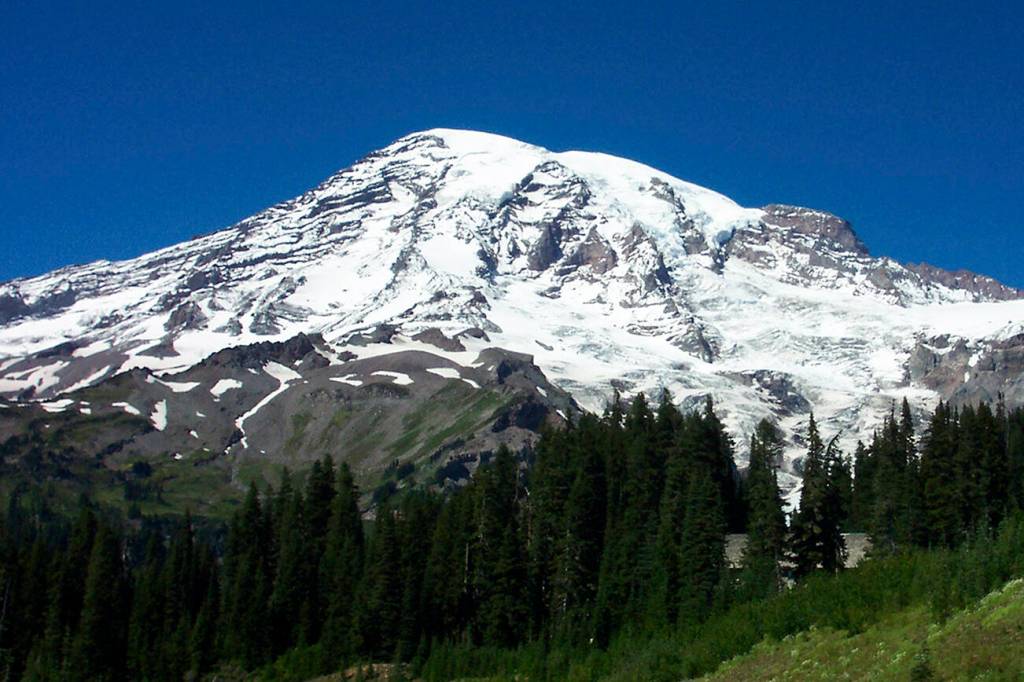
Mount Rainier National Park recently officially announced that it will not be using its recently-created timed reservation system, and offered tips for visitors coming during the peak season.
“Mount Rainier National Park is dedicated to providing meaningful access to visitors while responsibly managing congestion during peak periods,” said Superintendent Gregory Dudgeon in a Feb. 25 press release. “We will continue using proven traffic and parking management strategies to support a safe and memorable experience for all.”
The timed reservation system was implemented after the park received surge of visitors after the COVID-19 pandemic.
Total visitors between 2021 and 2024 have reached nearly 10 million, compared to the 8 million that visited between 2017 to 2020; Mount Rainier reported car lines that were hours long, and the additional foot traffic was having negative effects on the local flora — including the mountain’s famous wildflower blooms.
The Courier-Herald did not receive an immediate response to questions regarding why the reservation system will not be used this summer.
However, the park observed after the first year of implementing the program that “[e]arly observations indicate that the system is helping to spread visitation out throughout the day and across days as intended, and extended wait times of 3-4 hours have been avoided.”
The decision to not used the timed reservation system has alarmed conservation groups concerned that the threats to the mountain’s environment will be exacerbated by increased traffic.
“The administration’s decision to cancel Mount Rainier’s timed-entry reservation pilot with no clear explanation is a major setback for the park,” Graham Taylor, the National Parks Conservation Association’s northwest senior program manager, said in a press release. “Reservations were tackling some of the park’s most frustrating problems–extreme congestion, traffic jams, blocked driveways, and hours-long lines to enter the park.
“This couldn’t come at a worse time. The state’s closure of the Fairfax Bridge has already eliminated a key access point on the park’s northwest side, meaning more visitors are being funneled through fewer entrances, exacerbating the challenging conditions timed-entry is designed to improve,” he continued. “For the last two years, reservations were improving the experience for everyone while protecting Mount Rainier’s sensitive meadows, trails, and aging infrastructure. Reservations ensured visitors could spend more time outside and less time circling for a parking spot. As more people are visiting our national parks, we should be using the time-tested tools we know work and not throwing them out.”