Former Black Diamond employee under investigation for years of alleged unapproved overtime
Published 1:30 am Friday, May 8, 2026
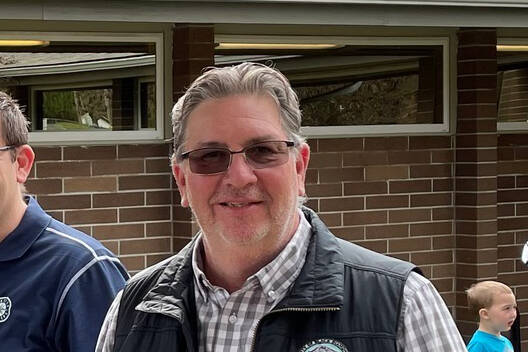
Former Black Diamond employee Andy Williamson is under investigation after developer Oakpointe alleged he received compensation for hundreds, maybe thousands, of hours of overtime the company did not approve.
According to City Administrator Kevin O’Neil, the investigation, which is being led by the Kent Police Department, started on Feb. 24.
That was three days before Williamson left the city’s employment and received a $76,000 severance after a split council vote. Council member Dan DalSanto said approving the severance was “not the right thing to do,” while other council members warned of possible legal repercussions if it was not.
The Kent Police Department said investigators are currently having conversations with prosecutors, but no charges have been filed.
There was a previous investigation into Williamson by Bellevue firm Inslee Best that started in September 2025 and ended in December 2025 regarding overtime payments and a potential “quid pro quo” agreement with Ten Trails developer Oakpointe.
The investigation concluded there was no evidence to suggest any “quid pro quo” agreement or time theft from Oakpointe, but the new allegations from the developer that it did not approve of hundreds, up to thousands, of hours of overtime payments over nearly 10 years throws the previous investigation’s findings into question.
“I have checked with my staff, and no one at Oakpointe is aware of any such agreement or any expectation of regular overtime,” Oakpointe CEO Brian Ross emailed Black Diamond Mayor John Adler on Feb. 10. “To be clear, there have been limited occasions when our contractor worked late or on weekends and we expected to pay overtime for inspectors in the field. This was never intended to be a regular or ongoing arrangement.”
Ross expressed frustration that the previous investigation about overtime payments “could be misconstrued as knowingly enriching staff in exchange for preferential treatment.”
“Nothing could be further from the truth,” he continued, adding that the city’s review of the Ten Trails development process has been “unreasonable and protracted,” not preferential.
Ross told the Courier-Herald that he will be asking the city of Black Diamond “for a full accounting and then see where it goes.”
Although the Inslee Best investigation concluded there was no evidence of a “quid pro quo” agreement, it exposed several issues regarding overtime payments, record keeping, and a “laissez-faire” attitude toward Williamson’s regular overtime requests from the city administration that easily led to the appearance of wrongdoing.
Williamson could not be reached for comment.
Black Diamond Mayor John Adler said the criminal investigation into Williamson and his separation “actively reflect a separate process,” he said in an email. “The City’s approach to resolving his separation was based on the totality of circumstances and the information available at the time, and was not dependent on any single allegation or the status of any external investigation.”
INSLEE BEST REPORT DETAILS
According to the Inslee Best investigation summary report, a “whistleblower” filed two complaints related to the abuse of overtime and a possible “quid pro quo” agreement between Williamson and Oakpointe.
While Williamson was a city employee, and his pay approved by the mayor, his salary and overtime was provided by Oakpointe.
Williamson said in an interview with the investigator that Oakpointe wanted to have access to him before or after his normal work hours and agreed to regular overtime pay, around two extra hours a day on top of a 50-hour work week.
However, the investigator did not list Oakpointe as one of the parties it interviewed to confirm the company’s knowledge of the overtime. The only people who were interviewed were the complainants, Williamson, Benson, and two additional city employees. Inslee Best did not respond to questions why Oakpointe was not interviewed.
Williamson denied any quid pro quo arrangement to the investigator.
According to the report, Williamson filed 238 hours overtime hours in 2023, 378 overtime hours in 2024, and another 187 in January through August 2025, for a total of nearly $50,000 in compensation.
Although the investigator only used three years as an example of reported overtime, the alleged agreement began in 2017.
The investigation did not reveal any record of an overtime agreement or “oversight parameters, safeguards, or expectations” regarding the extra compensation, bolstering Ross’ claims.
Some documents made reference to overtime pay for inspections, but Williamson said that he had not performed any “traditional” inspections over the past year, but that did “active” investigations “all the time.”
Additionally, one witness interviewed by the investigator said Williamson “does not perform inspections” in general, and they were mostly handled by construction supervisors.
“Based on the record, it appears most probable that during the three years reviewed… Williamson never reported overtime based on time actually worked by him but rather based on the concept of being ‘on call’ after hours,” the report read.
Former Mayor Carol Benson’s role in approving these overtime payments was also brought under scrutiny.
The investigator said Benson was “uncertain” as to what work the reported overtime was for, as Williamson provided few explanations.
“However, she emphasized that… Williamson would ‘tell [her] generally about the special inspections and things [he] was doing’ and that he was ‘always available to [her] when [she] needed him while he was off duty,’” the report continued.
The inspector characterized Benson’s actions as “laissez-faire” towards Williamson’s pay, as she considered Williamson a valuable employee and, that because Oakpointe was paying his salary, “Williamson’s compensation does not ‘cost’ the City anything.”
The investigator noted that Benson and Williamson “had different and sometimes inconsistent understandings as to what the [overtime] arrangement was,” the report continued. “This could have been easily avoided through proper documentation and communication.”
Benson could not be immediately contacted for comment.
This is a developing story, and more information will be published when it is made available.